Studying in Canada
Why college is the fastest route in, what it costs to live, and what families should know.
Why a college program

Canadian colleges are built around employment outcomes. Healthcare programs combine classroom learning with supervised clinical placements, so you graduate with the exact skills employers hire for.
A certificate or diploma takes 8-24 months and costs a fraction of a four-year degree — and still lets you stay and work in Canada after you graduate.
Many graduates later bridge into advanced credentials, including Registered Practical Nurse and Registered Nurse pathways, while already earning in Canada.
- 8-24 months versus 4 years for a degree
- Clinical placements often lead directly to job offers
- Rolling intakes, so you can start sooner
- Tuition from CAD $4,000 for certificate programs
- Lower total cost of living over a shorter program
- Institution scholarships and bursaries available
- Ongoing shortages in long-term and home care
- Consistent hiring across hospitals and community agencies
- Clear progression from PSW to DSW, RPN, and RN
- Healthcare is an approved PGWP field of study
- Canadian work experience supports PR applications
- Provincial nominee streams prioritize healthcare occupations
Life on the ground
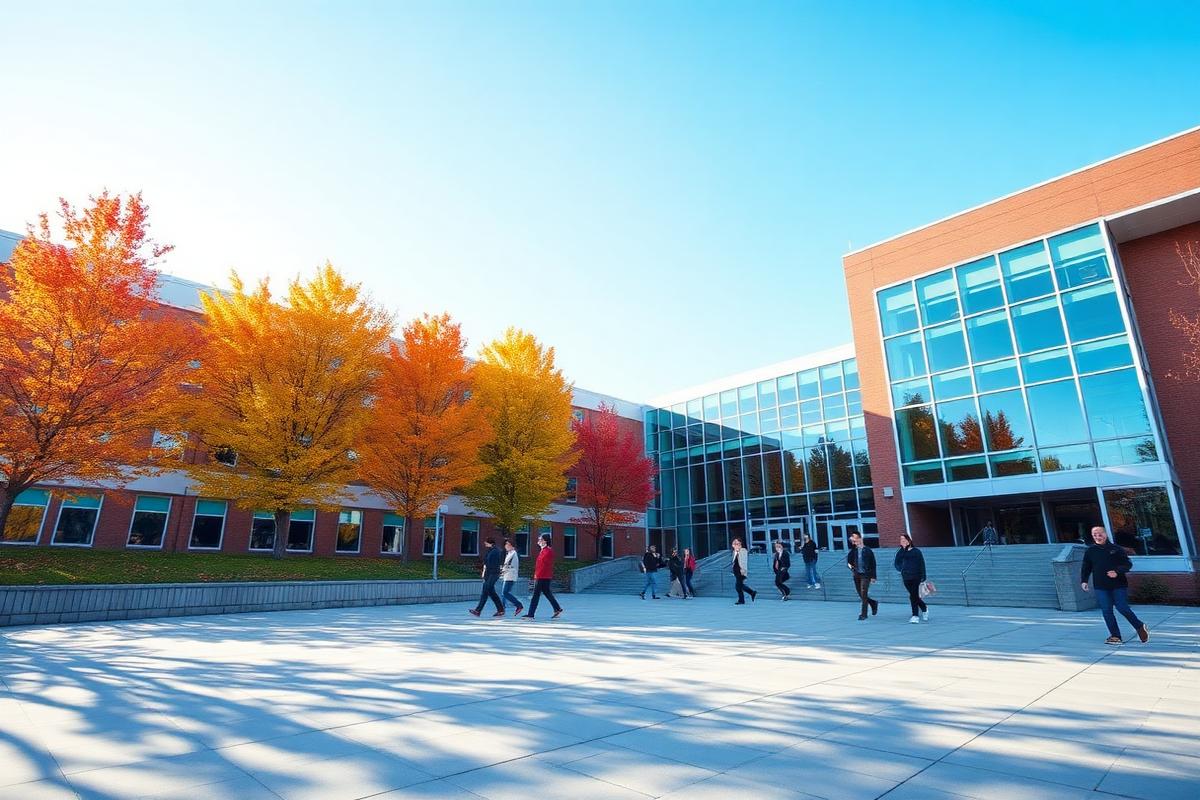
- On-campus residence — convenient and all-inclusive, limited spots
- Shared apartments — the most common and affordable option
- Homestay — live with a Canadian family, meals often included
- Start your search 2-3 months before arrival
- Provincial coverage rules vary — Ontario students usually need private insurance
- Most colleges enroll students in a mandatory health plan
- Coverage typically includes doctor visits, prescriptions, and emergencies
- Keep your policy number handy from day one
- Eligible study permit holders may work off campus during studies
- Full-time work is generally allowed during scheduled breaks
- Healthcare students often work as support aides for experience
- Always confirm current hour limits on the IRCC website
- International student advisors at every partner college
- Free academic tutoring and writing support
- Mental health and counselling services
- Student clubs and cultural associations from 50+ countries
- Shared housing
- CAD $600 - $1,100 / month
- Groceries
- CAD $300 - $450 / month
- Transit pass
- CAD $100 - $160 / month
- Phone & internet
- CAD $60 - $110 / month
- Health insurance
- CAD $60 - $100 / month
- Books & supplies
- CAD $500 - $1,200 / year
Estimates vary by city. Proof-of-funds requirements for your study permit are set by IRCC and may be higher than these figures.
For parents & families
- Every partner is a designated learning institution
- Programs verified against IRCC's approved fields of study
- Public colleges with published outcomes and oversight
- One-time application processing fee of $150 USD
- Tuition CAD $4,000 - $17,000 depending on credential
- Payment plans available at most institutions
We are happy to speak with families directly. Contact our admissions team and we will walk you through the timeline, costs, and expectations step by step.
Ready to start your journey?
Take the first step toward your Canadian healthcare career today.